How the phone scam game works
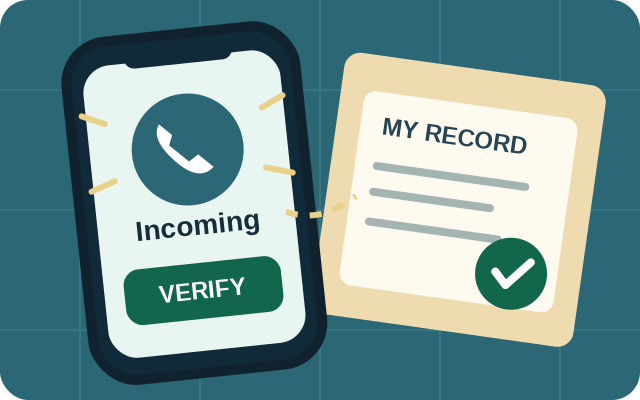
There are eight campaign calls. The first teaches the controls, then other calls ask you to recognize tax and Social Security impersonation, a fake customs hold, a voice cloned to resemble family, fake tech support, and a prize fee. The final campaign call is a genuine reminder. You can answer or let the phone ring, hang up, check records, call back through a contact, or accept the request and see the simulated consequence.
Every case has a short file with a relevant official rule and independent verification. After your response, identify the evidence that resolves the question. Nothing involves an actual phone number, voice recording, password or payment.
One daily call and an open line
For scam call practice beyond the campaign, take the daily call. One complete branching call is dealt from the UTC calendar date, so everyone gets the same case that day. For unlimited practice the open line shuffles a larger deck of different situations, including genuine calls. Three clean calls in a row restore an ink mark. The game remembers your stars on this device.
Why an independent contact matters
The FTC explains that unexpected callers may already know something about you. A familiar caller label or voice is not an identity check. The game rewards a separate check and the ability to say what evidence supports your decision. It does not reward automatically calling every message false.