Financial literacy games for adults and high school students
Financial literacy games that start where money gets lost: on paper. You get a realistic bill, contract or loan with traps in it, the facts to check it against, and a red pen.
10 games
All free, in the browser, no account. The first level of each explains every step.
- 6 levels
 Hospital billThe bill says one thing, the discharge papers say another. Find the lines that should not be there. Play
- 7 levels
 Car dealSit down with a car dealer and bargain: price, trade-in, loan, extras. Only one of you knows how low it can go. Play
- 7 levels
 Apartment leaseThe listing promised one thing, the apartment lease says another. Find the lines before somebody signs. Play
- 7 levels
 Job offerThe recruiter wrote one thing, the job offer says another. Find the lines that changed, before somebody signs them. Play
- 6 levels
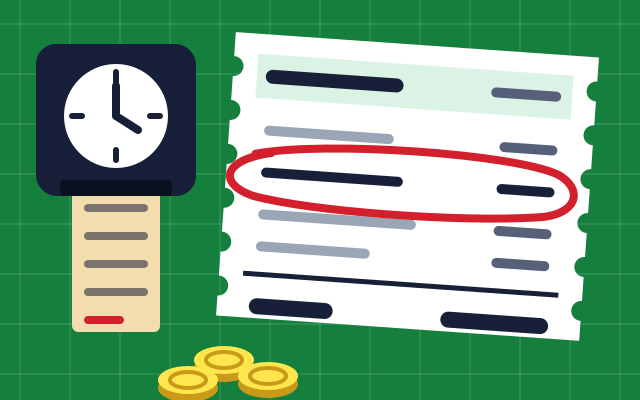 Pay stubThe stub says one thing, the time card another. Find the lines of the paycheck that do not fit. Play
- 6 levels
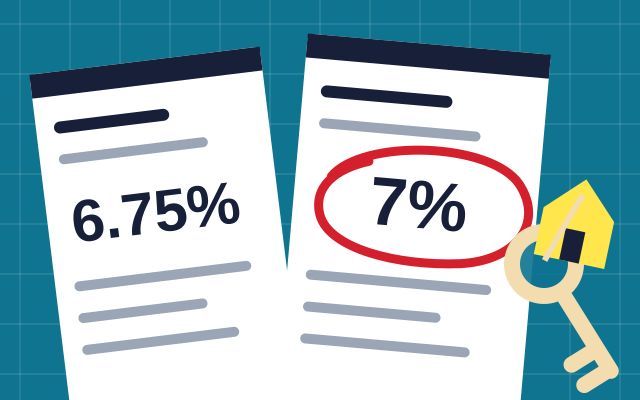 Home loanThe mortgage papers say one thing in October and another at the closing. Find what changed, and what was not allowed to. Play
- 7 levels
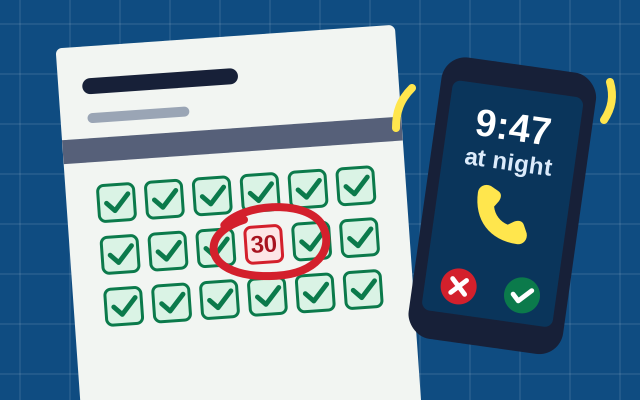 Credit reportStrangers write your credit report. Find the accounts, dates and debts that should not be there, and catch the collector who breaks the rules. Play
- 6 levels
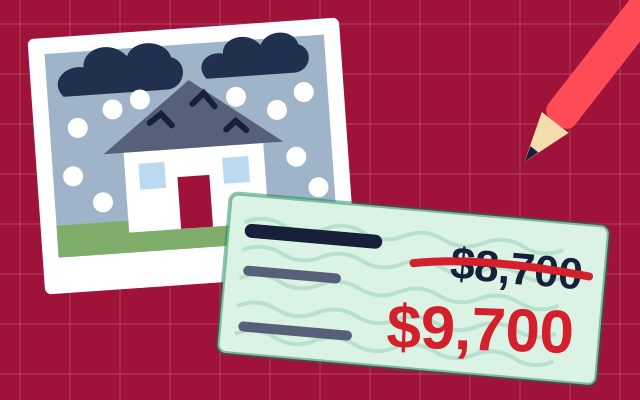 Insurance claimThe insurance claim is settled, says the letter. The declarations page says something else. Find the lines that do not agree. Play
- 7 levels
 Better dealTwo offers, one is cheaper. Press which one is the better deal, then watch both add up. Play
- 6 levels
 Health planPick a health insurance plan and live a year on it, card by card. What do you pay for the broken wrist? Play
Guides and tools
Examples, practice, calculators and lists on the same subjects.
Hospital bill
Car deal
Apartment lease
Job offer
Pay stub
Home loan
Credit report
Insurance claim
Scam or legit
Better deal
Dark patterns
Health plan
What these games train
Reading, more than arithmetic. A costly line is rarely hidden. It is printed in small type, or it has a name that sounds official, or it says something else than the page before. In each game you compare a paper with what was promised, what was paid and what the rule says, and you mark the lines that do not fit.
In a class
Put one paper on the projector and let everybody write down the one line they would ask about. Then open the facts and vote. After that, students play the first level alone or in pairs: it is guided, so nobody needs an introduction. The page for teachers has a plan for 20 minutes and one for 45.
At home
Play the game of a paper before you get the real one: the week before you sign, not the week after. Each game page also has a checklist with the reason for every item. It is made to lie next to a real paper.
How long it takes
The first level of a game takes a few minutes, and every level can be played in one sitting. What you have finished is kept in your browser, so you can stop after one and go on next week.
Using them with a class? Lesson plans for teachers.
Questions people ask
Are these financial literacy games free?
Yes, all of them, every level. They run online in the browser of a phone, tablet or computer. There is no sign-up, no download and no trial.
Are they for adults or for high school students?
For both. The papers are the ones adults get, with the words they really use, and each word is explained the first time. Nothing in them is unsuitable for a high school class.
Is this financial advice?
No. The people, companies and amounts are invented. The rules are real and have a source you can open, but what to do about your own money is for you to decide, with someone qualified if it matters.
Do I get a certificate, or a score for my teacher?
No. The games are not tied to a curriculum, give no certificate and send nothing to anybody. Stars and progress stay in your own browser.
Last changed . Rules change, and states add their own: check the source before you act on one. Found a mistake? How we check, and how to tell us.