Halvard Credit File
Credit report
November 2026- Name
- Harold R. Pike
Strangers write your credit report. Find the accounts, dates and debts that should not be there, and catch the collector who breaks the rules.
A free credit report game: 7 levels and an endless one. No sign-up, no download.
4 minutes. Every step explained. No sign-up.
Try one right here.
Press the line that does not fit this:
7 levels. Each adds one kind of trap and keeps the old ones. Start anywhere; the marked one is next for you.
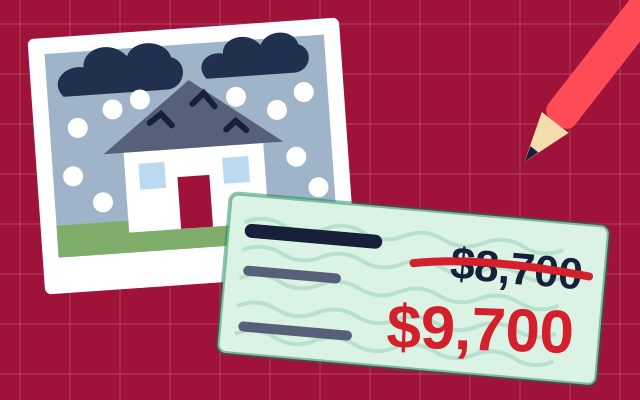
A name that is close, a town you never saw, a car loan you never had. Somebody else's file is mixed into this one.
The receipt says paid in full. The report says unpaid. Guess which one the next lender reads.
What may still be there, what may not, and the collector's trick of moving the date.
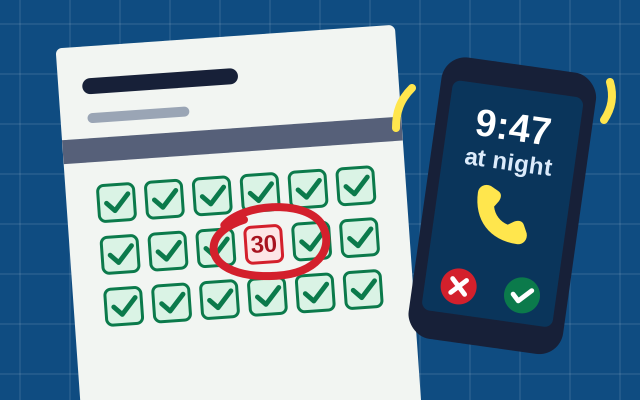
Listen in on a debt collector, sentence by sentence. Rude can be allowed. Ten at night is not.
The wallet is gone, and new accounts appear. Tell the thief's lines from the ones that only look new.
Examples that explain themselves, calculators and lists.
Eight things to check, in this order. Have your statements and receipts next to it.
A credit report lists your credit accounts and how you have paid them. Lenders send in the information; three nationwide companies, Equifax, Experian and TransUnion, collect it. Other lenders read it before they say yes. Landlords and insurers may read it too, and an employer may if you agree.
It has five parts. Each one asks you a different question.
Not your income, not what you have in the bank, not the interest rate of a loan and not what you bought with a card. In most cases your credit score is not in it either: a score is worked out from the report.
And not everything that looks bad is an error. A late payment that did happen, a debt that was paid after it went to collection, a bankruptcy of five years ago: they may be there. In the game as at home, marking what is true gets you nowhere.
Two federal laws come up. Each rule is printed in the file of the case, with its source.
It starts as a credit report quiz with one wrong line and ends with a shoebox of mail. People, banks, bureaus and collectors are made up. Every report is dealt new, so there is no list of answers to learn: you find the error in the papers, or it is not there. For a report that explains itself, see the example in the guides.
Once a week from each of Equifax, Experian and TransUnion, at AnnualCreditReport.com. The weekly reports are an offer the three have made permanent. The law itself gives you one from each every 12 months.
Names and addresses that are not yours, accounts of somebody with a similar name, accounts from identity theft, closed accounts shown as open, payments wrongly shown as late, wrong dates, one debt listed more than once, and wrong balances or limits.
Generally up to seven years, and a bankruptcy up to ten. The limits do not apply when the report is for $150,000 or more of credit or life insurance, or for a job that pays $75,000 or more a year.
Usually not. It should then show a balance of zero, and it may stay until its seven years are over. Medical collections are the exception: Equifax, Experian and TransUnion leave them out once they are paid, by a policy of their own.
Call before 8 am or after 9 pm unless you agreed, talk about the debt with your boss, your neighbors or your friends, claim that you will be arrested, pose as a lawyer or an officer, or add fees that neither the agreement nor the law allows. The quiz in the guides has twelve cases.
No. It is practice in reading. For your own report, the bureau and the company that reported the item are the ones to ask, and the Consumer Financial Protection Bureau takes complaints.
Last changed . Rules change, and states add their own: check the source before you act on one. Found a mistake? How we check, and how to tell us.
More like this: financial literacy games, life skills games.
The reports, people and collectors are made up, and the rules are the federal ones as of the date below. This is not advice about your own report or debt.