Life skills games for adults and high school students
Adulting is a lot of paper nobody explained. These life skills games hand you the paper early, with the traps still in it, and a red pen. A mistake costs nothing here.
12 games
All free, in the browser, no account. The first level of each explains every step.
- 6 levels
 Hospital billThe bill says one thing, the discharge papers say another. Find the lines that should not be there. Play
- 7 levels
 Car dealSit down with a car dealer and bargain: price, trade-in, loan, extras. Only one of you knows how low it can go. Play
- 7 levels
 Apartment leaseThe listing promised one thing, the apartment lease says another. Find the lines before somebody signs. Play
- 7 levels
 Job offerThe recruiter wrote one thing, the job offer says another. Find the lines that changed, before somebody signs them. Play
- 6 levels
 Pay stubThe stub says one thing, the time card another. Find the lines of the paycheck that do not fit. Play
- 6 levels
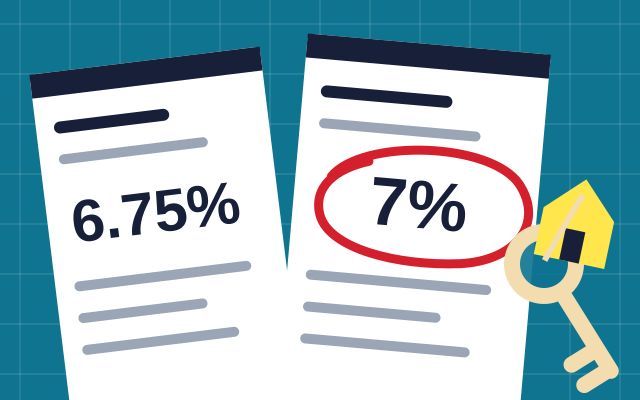 Home loanThe mortgage papers say one thing in October and another at the closing. Find what changed, and what was not allowed to. Play
- 7 levels
 Credit reportStrangers write your credit report. Find the accounts, dates and debts that should not be there, and catch the collector who breaks the rules. Play
- 6 levels
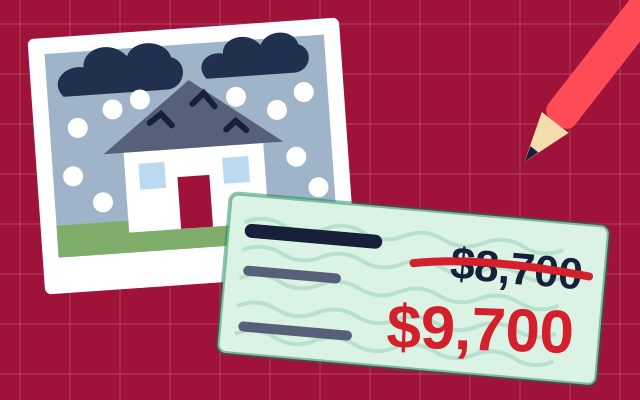 Insurance claimThe insurance claim is settled, says the letter. The declarations page says something else. Find the lines that do not agree. Play
- 7 levels
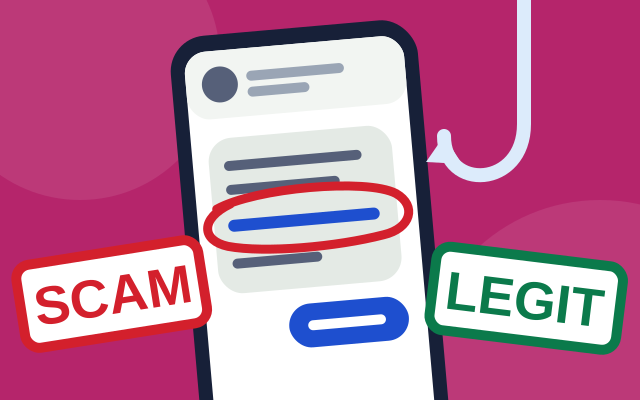 Scam or legitTexts, emails, calls and letters from the whole street. Spot the scam, and do not accuse the honest ones. Play
- 7 levels
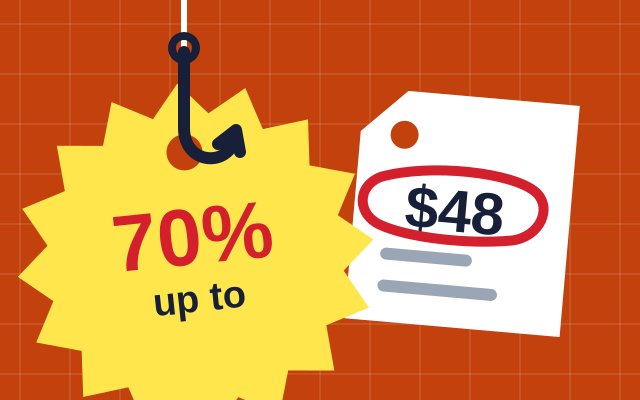 Better dealTwo offers, one is cheaper. Press which one is the better deal, then watch both add up. Play
- 6 levels
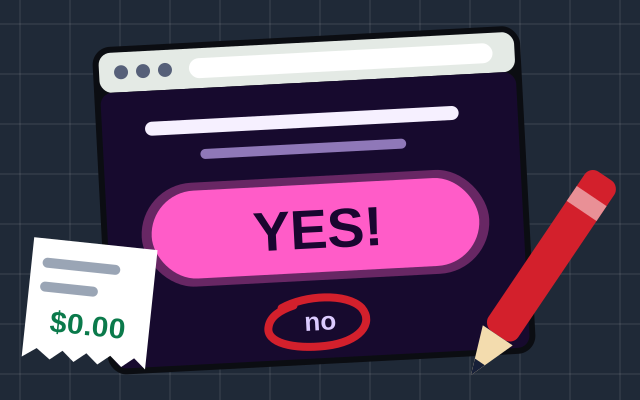 Dark patternsOne errand, one bad website full of dark patterns. Cancel the gym, buy the $20 ticket for $20, say no and make it stick. Play
- 6 levels
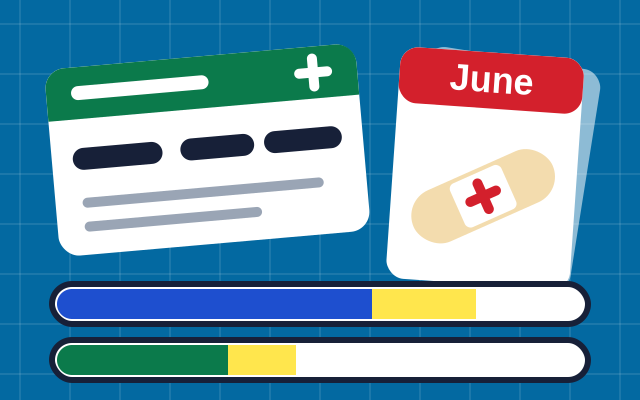 Health planPick a health insurance plan and live a year on it, card by card. What do you pay for the broken wrist? Play
Guides and tools
Examples, practice, calculators and lists on the same subjects.
Hospital bill
Car deal
Apartment lease
Job offer
Pay stub
Home loan
Credit report
Insurance claim
Scam or legit
Better deal
Dark patterns
Health plan
What these games train
To read the paper that decides something: what you owe, what you are paid, what you agree to. You learn which lines belong there, which ones are worth a question, and how to ask it. The words of the trade are explained the first time they appear.
For somebody about to move out
Sit next to each other and take one game an evening. Let the younger one hold the phone. Before each mark, ask: what would you say to them? The answer is usually one polite sentence, and saying it once at home makes it easier to say at a counter.
In a class or a program
Each game stands alone, so a life skills class can take the paper that fits the week. A first level takes a few minutes and is guided. There are no accounts to set up and no names to collect, and it works on a phone.
With a real one in hand
Each game page has a checklist, and most lead to guides: examples that explain themselves line by line, calculators and lists. Use them next to your own paper, and write down what you want to ask.
Using them with a class? Lesson plans for teachers.
Questions people ask
Which life skills do the games cover?
The ones that come on paper or on a screen: bills, contracts, pay, offers, prices and messages. They do not cover cooking, cleaning or first aid.
Are they suitable for young adults and for high school students?
Yes. They are written in plain words for adults of any age, and older students can play them without help. There is nothing in them that a class could not show on a screen.
Do I need to sign up?
No. All games are online and free. There is no account and nothing to install, and your progress is kept in your browser.
Is it legal or financial advice?
No. It is practice with invented papers. Rules differ between states and change, so for your own case open the source, ask the office concerned, or ask somebody qualified.
Last changed . Rules change, and states add their own: check the source before you act on one. Found a mistake? How we check, and how to tell us.