Skip to content

Online review game: the evidence desk

An online review game: compare posts, shop messages and independent records. Tie evidence together before you stamp a report.

A free online review game: 6 levels and an endless one. No sign-up, no download.

Play level 1

4 minutes. Every step explained. No sign-up.

Try one right here.

Which archived post lets you compare the original post ID and source?

Pinned note

May 4 · 12:51 · Shop 34 · Canvas toteBlue Thimble · 5/5 starsThe finish held up. Post ID P51-64.

Levels

6 levels. Each adds one kind of trap and keeps the old ones. Start anywhere; the marked one is next for you.

What you learn to see

  • Follow the timeline

    Read posts, shipping records and shop offers in time order.

  • Tie a thread

    Connect two notes with a concrete match: a quote, date, reference, model or measurement.

  • Weigh the evidence

    File two distinct findings. Lower the weight of weak reviews, support a measured detail or hold judgment.

  • Leave room for doubt

    Some suspicious-looking anecdotes are possible. The desk rewards a careful open report.

Got a real one in front of you?

Examples that explain themselves, calculators and lists.

Five checks before weighing online reviews

A review is a person's reported experience, not a measurement of every product. Look for what can be compared.

  1. Put reviews in time order.Look for bursts and compare dates against delivery or launch records. The timing can have more than one explanation.
  2. Compare the wording and the item.Check whether the same unusual passage is about very different products, or whether a post actually names a different model.
  3. Read disclosures and the offer.A reward can affect the weight of a review. Check whether a particular rating is required.
  4. Find a separate source.One post repeated on more than one page is not more than one reported experience.
  5. Keep conclusions narrow.A corroborated measurement supports that detail. Unexplained clues may leave an open question, not a verdict.

Investigate sets of reviews

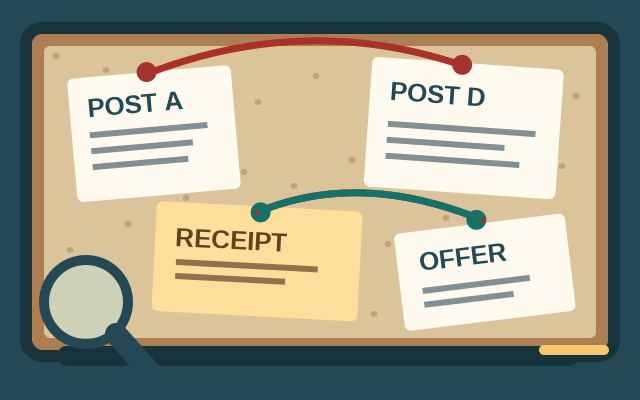
The wall is a fictional shopping archive. Each file has ordered postcards from shoppers, seller messages, listing records and sometimes independent tests. Pin two matching details. A valid thread is recorded on the blotter; a mismatched pair costs ink outside the guided level.

Independent evidence

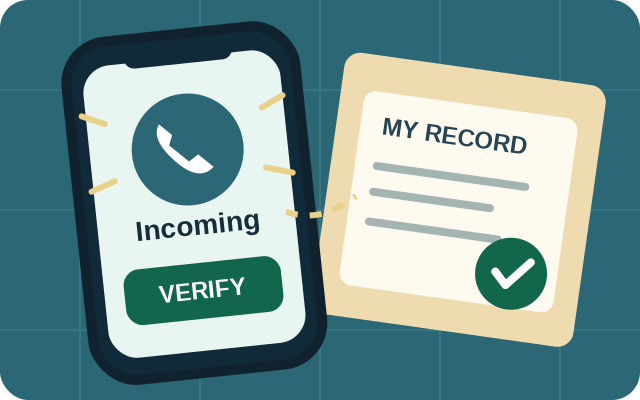
A repeated post and the same post on another site are not separate experiences. The FTC encourages checking more than one source and looking at who wrote a review. A test of the same model can support a narrow product fact without verifying every reviewer.

Why the open report matters

The FTC warns that it can be very difficult to identify fake reviews by appearance alone. The desk never asks for a label based only on ratings or writing style. With two concrete findings, choose a report that fits the records; some are deliberately inconclusive.
Review evidence desk: questions people ask

What is a review evidence desk?

A fictional workshop for comparing a group of reviews and other records. Instead of accusing one reviewer from a sentence, you link two pieces of evidence.

How do I make a thread?

Select one numbered note, then another note with a concrete matching detail. Tap the same note to release it. Each note is a keyboard-accessible button.

Are all glowing posts suspicious?

No. The FTC says fake reviews can be positive or negative, and even a convincing review may be hard to verify.

Can I replay with different records?

Yes. Each campaign file after the first teaching round uses a seed to vary original listings and records. The endless archive uses every type.

Where this comes from

Last changed . Rules change, and states add their own: check the source before you act on one. Found a mistake? How we check, and how to tell us.

Try something else

More like this: critical thinking games, media literacy games.

All listings, shops, posts and records are fictional. This exercise does not identify real fake reviews or determine whether a real product is good.