Phone scam red flags: callback practice
Phone scam red flags are easier to spot when you know where to check the story. Choose a contact in these fictional practice calls and see why it matters.
Practice call 1 of 6 · 0 right
Incoming call — identity unverified
Larksedge Bank • Fraud team
Mira has a Larksedge account. She is at home with the bank card beside her.
The caller reports unusual card activity.
Requests a private verification code for the bank account.
Bank app and card: Mira opened her own bank app earlier. She did not ask anyone to verify her account by phone.
Which contact would verify the story independently?
Invented practice cases based on US agency guidance. The simulator does not identify real callers or provide personal financial, tax or legal advice.
Now find the traps yourself
Scam call defense simulator: A phone rings. Read the caller's request, choose how to respond, then find the evidence.
Where did the contact come from?
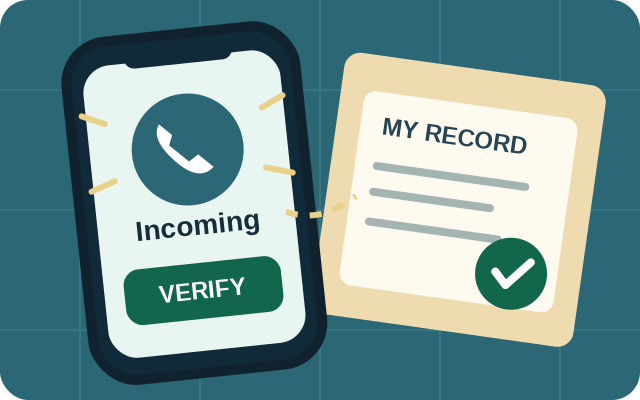
A caller can display a name that looks familiar. In the FTC's guidance for unexpected financial calls, the contact used to verify the story should come from your own bank card, a recent statement or the company's official app. The incoming call's number is not independent evidence.
Government impersonation cases work the same way. IRS normally first contacts a taxpayer by mail, while SSA may call when a person has requested a phone appointment. A real pending matter is not proof that the next caller really represents the agency.
Read the request, then the record
- Private account code: the FTC recommends keeping it to yourself.
- Threat to suspend a Social Security number: SSA states that it does not do this.
- Unexpected customs fee by phone: check independently rather than accepting the caller's demand.
- Fake tech support: the FTC warns against incoming claims of a device problem; seek help from a service you already trust.
The last practice call is a genuine appointment reminder. It illustrates why the goal is verification, not automatically classifying every incoming call as a scam.
The simulator's daily mode offers one complete call each UTC day. Play the open line for a longer mix of calls without waiting.
Questions people ask
Is the caller label proof of who is on the line?
No. FTC describes impersonators whose caller display looks genuine. A contact you already know is a better way to verify the claim.
Can the IRS or Social Security ever call?
Yes, in some circumstances. IRS normally contacts people by mail first. SSA may call about a benefit or when someone requested a call. Neither agency threatens arrest to force immediate payment.
Why not just decline every call?
Declining a suspicious call protects the conversation, but an independent check can also identify a genuine issue or appointment. The exercise rewards checking rather than guessing.
Where this comes from
- FTC: How to handle unexpected calls that claim your money is at risk
- IRS: How to know it is the IRS
- SSA: What if someone calls claiming to be a Social Security employee?
- FTC: How to spot, avoid, and report tech support scams
- FTC: Scammers pretend to be U.S. Customs and Border Protection
Last changed . Rules change, and states add their own: check the source before you act on one. Found a mistake? How we check, and how to tell us.