Loan Estimate
Osprey Lane Mortgage (made up)
Page 1: the loan
issued 10/20/2026- Applicant
- Nora Castellan
- Property
- 48 Juniper Court
- Sale price
- $310,000
This is an example of the Loan Estimate, the three-page form lenders use for most mortgages. The loan is made up, the order of the lines is the official one, and the sums are exact.
Page 1: the loanPage 2: sections A to JPage 3: comparisons
Press any line to read what it means.
The people, lenders and numbers are made up, and the rules are the federal ones as of the date below. This is not advice about your own loan.
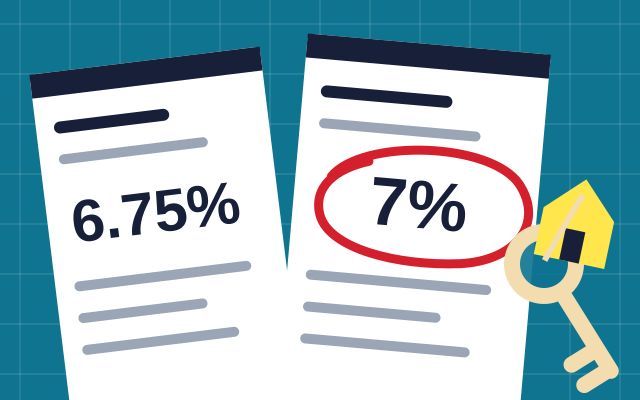
Home buying game: The mortgage papers say one thing in October and another at the closing. Find what changed, and what was not allowed to.
Ten charges from page 2. Two questions decide each: who gets the money, and could you choose?
Charged by the lender
How much may it go up?
The Loan Estimate is a standard three-page form. The lender has to send it within three business days after it has your application, and every lender uses the same one, so two of them can be laid side by side. It shows the terms the lender expects to offer. It is not an approval, and signing it only confirms that you got it.
The section a charge stands in also says how much it may go up before the closing. The rule is in Regulation Z, and the CFPB has it in plain words.
All of this holds as long as nothing has changed: another loan, another down payment, a surprising appraisal or a new debt can raise a charge, and then you will likely get a revised Loan Estimate. Points and lender credits can also change until the rate is locked.
Ask each lender for the same loan: the same amount, the same term, the same points. Then compare the rate, box D, lender credits and the five-year cost. Taxes and insurance on page 1 can differ without one offer being better; the lender does not set them. The CFPB's explainer has the official form with every field.
The lender must send it within three business days after it has received your application. You do not get one for a reverse mortgage or a home equity line of credit; those have other disclosures.
A is what the lender charges for making the loan. B is required services the lender chooses, such as the appraisal. C is required services you can shop for, such as the title search. Together they are box D, the total loan costs.
Some can. The lender's own charges, services you could not shop for and transfer taxes may not go up. Recording fees and services from the lender's list may rise together by 10%. Insurance, prepaid interest and the escrow deposit may change by any amount. A change in your application or the home can lift these limits, and points and lender credits can change until the rate is locked.
No. The form says it itself: by signing you only confirm that you have received it.
Last changed . Rules change, and states add their own: check the source before you act on one. Found a mistake? How we check, and how to tell us.
See also financial literacy games and consumer math games.