Media literacy games for students and adults
Media literacy games about how something is made to mislead: the way it is drawn, argued or laid out. Look, name the trick, and see what an honest version would have shown.
3 games
All free, in the browser, no account. The first level of each explains every step.
- 6 levels
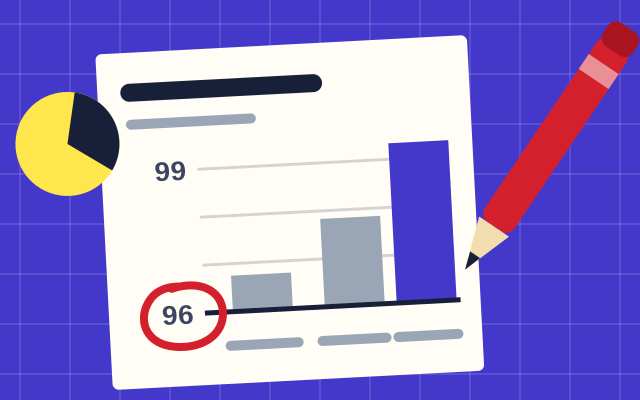 Misleading graphsA graph and its headline: honest or misleading? Press the place of the trick, and the graph turns true before your eyes. Play
- 7 levels
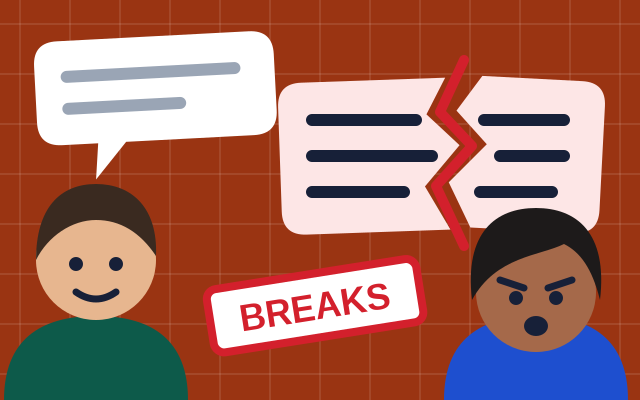 Logical fallaciesPeople argue at dinner, in chats and in reviews. Press the line that is no reason at all, and stamp the fallacy with its name. Play
- 6 levels
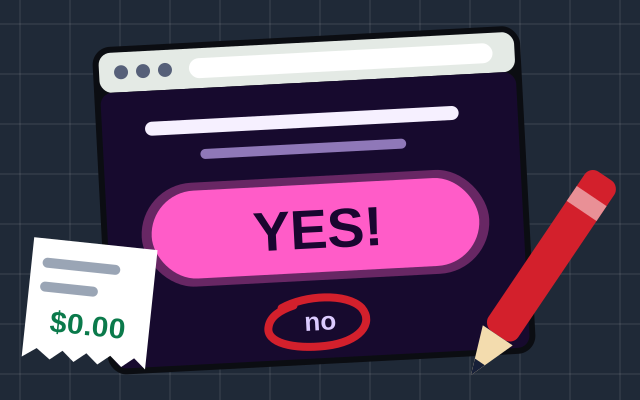 Dark patternsOne errand, one bad website full of dark patterns. Cancel the gym, buy the $20 ticket for $20, say no and make it stick. Play
Guides and tools
Examples, practice, calculators and lists on the same subjects.
What these games train
To see the craft. A picture can be drawn from true numbers and still mislead. An argument can be moving and skip the one step that matters. A page can be built so that the wrong button is the easy one. Once you can name how it was done, you see it in other places too.
A lesson with one of them
Show one example without its answer. Ask three questions: what does it want me to believe or do, what is it made of, and what was left out? Collect answers, then let the game say which trick it is. Students then look for the same trick in something they saw this week.
Is there a fake news game?
Not one that shows headlines and asks true or false. Headlines age in days, and knowing one answer teaches little about the next. The games here train what is underneath fake news: a misleading picture, a weak reason, a page built to steer you.
How long it takes
One question takes less than a minute, a level a few minutes, and nothing has to be set up. The daily five is enough for the start of a lesson: it is the same for everybody that day.
Using them with a class? Lesson plans for teachers.
Questions people ask
Are these media literacy games suitable for students?
Yes, for older students: they are written for adults and for high school and college classes. There is no violence, no politics of the day and no real person in them.
Do the games take a side?
No. The examples are about invented products, towns and people, so that the trick can be discussed without the topic.
Are they free, and do students sign in?
They are free and online. Nobody signs in, no names are asked, and no scores are sent to a teacher.
Where do the names of the tricks come from?
From the sources printed at the end of each game page and guide, and on every card of the trap book.
Last changed . Rules change, and states add their own: check the source before you act on one. Found a mistake? How we check, and how to tell us.