A simulator made of cards
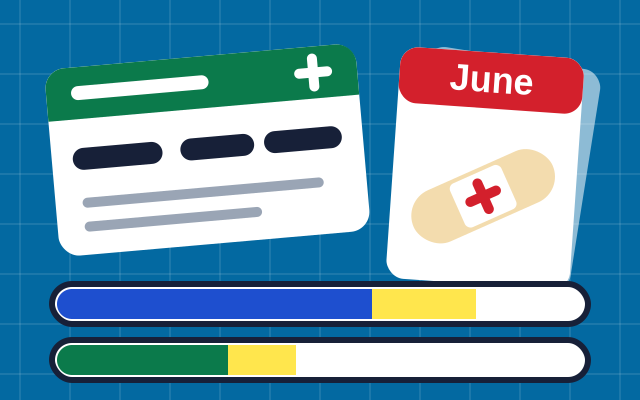
Each person has a deck of 40 cards. Most are quiet months. Some are a sore throat, a few are a hospital stay. Twelve cards make a year, and you live it on the plan you have chosen.
At the end the same deck is shuffled a hundred times, and every plan is added up for each of those years. That is the honest answer to “which plan is better”: it depends on the year, and you can see how often.
The words, in the order they are used
A plan card has few numbers, and they work one after the other.
- Premium: what is paid every month, sick or not.
- Deductible: what you pay for covered care before the plan starts to pay.
- Copay: a fixed amount for a visit or a drug.
- Coinsurance: your percentage of a bill, after the deductible.
- Out-of-pocket maximum: the most you pay for covered, in-network care in a plan year. After it, the plan pays all of it.
- Network: the doctors, labs and hospitals that have a contract with the plan. An EPO or an HMO pays only inside it, except in an emergency; a PPO also pays outside it, for more.
What is simplified
The plans, people and prices are made up. A real plan has more lines, and it can treat the same bill in another way. Your own summary of benefits and coverage says what yours does.
In these plans out-of-network bills do not count toward the in-network maximum. The tax savings of a health savings account are not added up, because they depend on your own taxes; IRS Publication 969 explains them.