Halvard Credit File
Copy for the consumer
Credit report
File 43-9566 · November 11, 2026- Name
- Lorna Fitch
Accounts
Collections
Inquiries
This report does not include a credit score.
This credit report has four errors. Lorna's papers show which lines they are. After that: the common errors with examples, how to fix them, and a calendar for your dispute.
Found 0 of 4. Press a line that is wrong.
Lorna's 8 papers. Push them sideways.
Quillmark Recovery, receipt
Paid in full: $644.00 on December 24, 2025.
Balance now: $0.00.
Pennyfold Stores
We closed your card ending 1466 on March 6, 2023. It had not been used for two years.
Balance at closing: $0.00.
Marrowby Bank, card ending 4469
Payment due November 16, 2025: received November 13, 2025.
Payment due December 16, 2025: received December 14, 2025.
Pellbrook Bank, card ending 4612
The account belongs to Dale Fitch.
Lorna may use the card as an authorized user, and does not owe the balance.
Fallow Creek Power
First missed payment: November 2017. Never caught up after that.
Larkmoor Bank, card ending 5613
Credit limit: $3,000.
Balance on October 28: $560.
How long it may stay
Most negative information: seven years.
For a collection, the seven years begin 180 days after the first missed payment that led to it.
Inquiries
Hard: a lender looked after you applied for credit.
Soft: your own request, a lender's review of your account, a prescreened offer. Only you see these.
This report does not include a credit score.
Source: 15 U.S.C. 1681c: how long information may be reported
Source: CFPB: What is a credit inquiry?
The reports, people and collectors are made up, and the rules are the federal ones as of the date below. This is not advice about your own report or debt.
Credit report game: Strangers write your credit report. Find the accounts, dates and debts that should not be there, and catch the collector who breaks the rules.
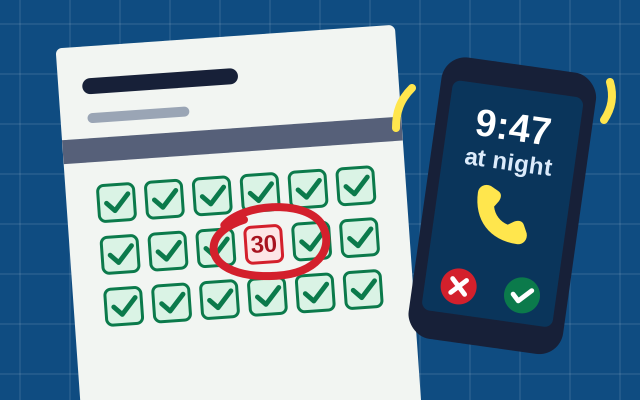
Put in the day the credit bureau got your dispute. Certified mail tells you which day that was.
The Consumer Financial Protection Bureau lists these. Next to each is what to lay beside it.
Start with all three reports: Equifax, Experian and TransUnion each keep their own, and an error may be in one of them only. AnnualCreditReport.com gives you each one free, once a week.
A dispute goes to two places: the bureau that made the report, and the company that reported the item. The bureau takes it online, by phone or by letter; the company, in writing. In a letter, put:
The bureau has to look into it, send your papers on to the company that reported the item, and tell you the result. What turns out wrong, incomplete or cannot be verified is corrected or deleted. If the item comes from identity theft, start at IdentityTheft.gov: with its report and proof of who you are, the bureaus have to block the item within four business days.
Generally 30 days from the day it gets the dispute. It may take up to 15 days more if you send it something new in that time, and it has 45 days when you dispute after getting your free yearly report. Then it has five business days to send you the result in writing.
No. The law says the bureau must look into it free of charge. Nobody can have true information removed, whatever a company for credit repair promises.
What is wrong, incomplete or cannot be verified must be corrected or deleted, and the bureau tells the company that reported it. If the result changed something, you get a copy of the report with it.
You can ask that a statement of your dispute be added to your file, dispute with the company that reported it, and complain to the Consumer Financial Protection Bureau.
Some are. Equifax, Experian and TransUnion leave out medical collections that are paid or were first reported at under $500, and wait a year before they show an unpaid one. That is a policy of their own. A federal rule of January 2025 that would have taken medical bills off was vacated by a federal court on July 11, 2025. Some states limit them by law; in October 2025 the CFPB said that federal law generally overrides such state laws, and the courts decide.
Last changed . Rules change, and states add their own: check the source before you act on one. Found a mistake? How we check, and how to tell us.