Cognitive biases quiz: which one is at work?
Fifteen short situations. Which of the cognitive biases is at work? The quiz marks each answer at once, and the list under it explains them all.
Which bias is it?
0 of 15 answered, 0 right
Iris puts cold milk in the cup before the tea, and is sure that nearly everybody does. In her office it is two of thirty.
The new teacher is funny and well dressed. Before his first test, parents say that he must be fair and good at math.
The first time, Kofi found the song boring. After three weeks of hearing it in the bakery, it is one of his favorites.
Leila always blows on the dice before she rolls. “It works better that way,” she says.
Maya is sure that her new neighbor is unfriendly. She remembers each time he did not say hello, and forgets the four times he did.
He likes chess and reads physics for fun. So he must be one of the 3 engineers in the hall, and not one of the 97 sales clerks.
Nobody buys the yogurt that is “10 percent fat”. With the label “90 percent fat free” it sells out.
Painting the kitchen took four weekends, the hall took three. For the bedroom, Paula plans one Saturday.
The seller says $900 first. Omar talks him down to $700 and is happy. The same bike is $450 at three other shops.
After the game Theo says that anybody could see they would lose. Before the game he bet his lunch on them.
Gus would not pay more than $15 for that lamp in a shop. He owns one, and will not sell it for less than $60.
After three news reports about shark bites, Hazel stays out of the sea. She drives to the beach without a seat belt.
A driver cuts in line. “What a selfish person,” thinks Nora. The driver is on the way to the emergency room.
When Luis wins at cards, he is a great player. When he loses, he got bad cards.
Earl answers twenty questions and says he is “99 percent sure” of each. Twelve of his answers are right.
All answers with explanations
The people, shops and places are made up. The names follow the sources below, and scholars draw some of the lines differently.
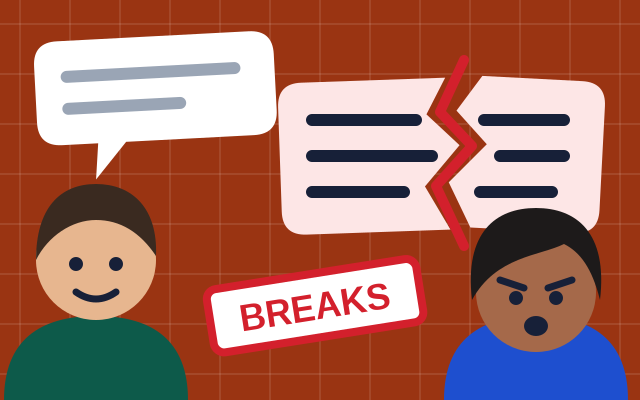
Now find the traps yourself
Logical fallacies game: People argue at dinner, in chats and in reviews. Press the line that is no reason at all, and stamp the fallacy with its name.
The list: fifteen cognitive biases with examples
What each one means, in our words, with the entry of the APA Dictionary of Psychology beside it.
Confirmation bias
Gathering what speaks for what one already expects, and passing over what speaks against it.
Example: Maya is sure that her new neighbor is unfriendly. She remembers each time he did not say hello, and forgets the four times he did.
Confirmation bias in the APA DictionaryAnchoring bias
Giving too much weight to the first number one hears, and not moving far enough away from it.
Example: The seller says $900 first. Omar talks him down to $700 and is happy. The same bike is $450 at three other shops.
Anchoring bias in the APA DictionaryAvailability heuristic
Judging how likely something is by how easily examples come to mind.
Example: After three news reports about shark bites, Hazel stays out of the sea. She drives to the beach without a seat belt.
Availability heuristic in the APA DictionaryHindsight bias
Thinking, after something has happened, that it could have been foreseen better than it could.
Example: After the game Theo says that anybody could see they would lose. Before the game he bet his lunch on them.
Hindsight bias in the APA DictionaryFraming effect
Judging the same thing differently because it was put in other words.
Example: Nobody buys the yogurt that is “10 percent fat”. With the label “90 percent fat free” it sells out.
Framing effect in the APA DictionaryHalo effect
Letting one good impression of a person color what one thinks of other things about them.
Example: The new teacher is funny and well dressed. Before his first test, parents say that he must be fair and good at math.
Halo effect in the APA DictionarySelf-serving bias
Taking the credit when it goes well, and blaming something outside when it does not.
Example: When Luis wins at cards, he is a great player. When he loses, he got bad cards.
Self-serving bias in the APA DictionaryFundamental attribution error
Explaining what others do by what they are like, and too little by the situation they are in.
Example: A driver cuts in line. “What a selfish person,” thinks Nora. The driver is on the way to the emergency room.
Fundamental attribution error in the APA DictionaryOverconfidence
Being more certain of one's skill or of one's beliefs than is justified.
Example: Earl answers twenty questions and says he is “99 percent sure” of each. Twelve of his answers are right.
Overconfidence in the APA DictionaryFalse consensus effect
Thinking that more people share one's own opinions and habits than really do.
Example: Iris puts cold milk in the cup before the tea, and is sure that nearly everybody does. In her office it is two of thirty.
False consensus effect in the APA DictionaryMere exposure effect
Liking something more just because one has met it again and again.
Example: The first time, Kofi found the song boring. After three weeks of hearing it in the bakery, it is one of his favorites.
Mere exposure effect in the APA DictionaryPlanning fallacy
Thinking that a task will take less time than it does, partly because one pictures it going well.
Example: Painting the kitchen took four weekends, the hall took three. For the bedroom, Paula plans one Saturday.
Planning fallacy in the APA DictionaryEndowment effect
Valuing something more because one owns it.
Example: Gus would not pay more than $15 for that lamp in a shop. He owns one, and will not sell it for less than $60.
Endowment effect in the APA DictionaryIllusion of control
Believing that one's own acts decide something that they do not.
Example: Leila always blows on the dice before she rolls. “It works better that way,” she says.
Illusion of control in the APA DictionaryBase-rate fallacy
Forgetting how common something is in the first place when judging one case.
Example: He likes chess and reads physics for fun. So he must be one of the 3 engineers in the hall, and not one of the 97 sales clerks.
Base-rate fallacy in the APA Dictionary
A bias is not a fallacy
A fallacy is a flaw in an argument. It stands on the page, and anybody can point at it. A bias is a tendency in how somebody sees and judges. You cannot point at it, you can only notice that the judgments lean one way.
The two meet often. Somebody with a confirmation bias ends up cherry picking. Somebody who feels that luck is due says so, and then it is the gambler's fallacy. To practice the arguments, play the logical fallacies game.
What the test does not show
It shows whether you know the names. It does not measure how biased you are, and no score here says anything about you as a person. Each situation was written so that one name fits best. In real life several can be at work at the same time.
Questions people ask
What is a cognitive bias?
A tendency in how people judge and remember that leads them off in one direction, such as noticing what fits an opinion and passing over what does not.
What is the difference between a cognitive bias and a logical fallacy?
A fallacy is a flaw in an argument that anybody can point at. A bias is a tendency in how somebody judges. A bias often leads to a fallacy: confirmation bias, for example, to cherry picking.
Does this test show how biased I am?
No. It shows whether you can tell the biases apart by name. It is not a psychological test.
Where do the definitions come from?
From the APA Dictionary of Psychology, put in our own words. Each entry in the list links to it.
Where this comes from
- APA Dictionary of Psychology: confirmation bias
- APA Dictionary of Psychology: anchoring bias
- APA Dictionary of Psychology: availability heuristic
- APA Dictionary of Psychology: hindsight bias
- APA Dictionary of Psychology: framing
- APA Dictionary of Psychology: halo effect
- APA Dictionary of Psychology: planning fallacy
- APA Dictionary of Psychology: endowment effect
- The Writing Center, University of North Carolina: Fallacies
Last changed . Rules change, and states add their own: check the source before you act on one. Found a mistake? How we check, and how to tell us.